Wednesday, 7 December 2011

Highlights from the NCBW e-newsletter

Mass bicycle protest in Netherlands
We subscribe to the National Center for Biking and Walking Newsletter, a bi-weekly e-newsletter with an excellent summary of articles about creating more walkable and bicycle-friendly communities. Here are some highlights from the Dec. 7 newsletter:

Bike recommendations from I-66 Multimodal Study

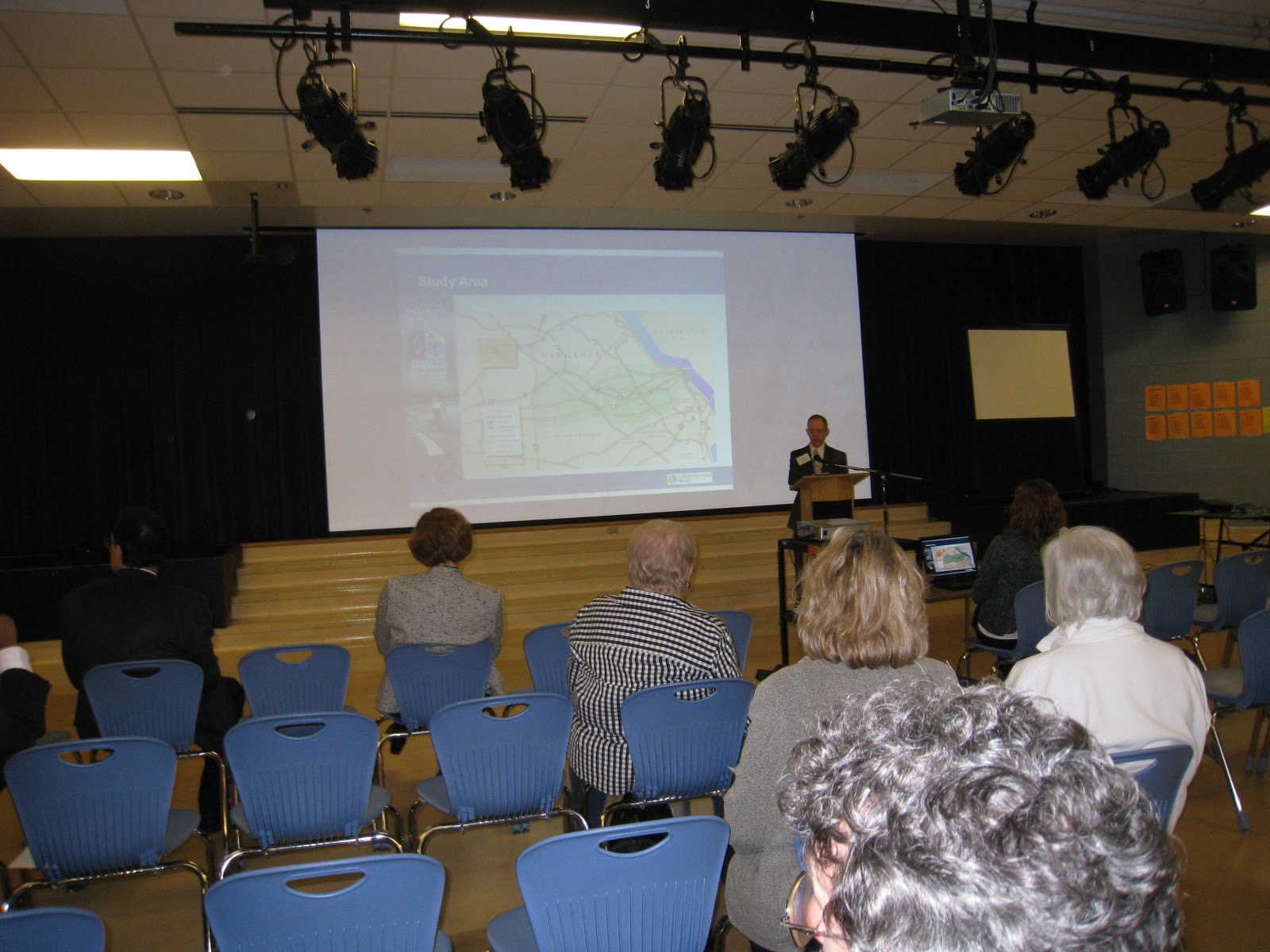
Last night we attended the public information meeting on the I-66 Multimodal Study Inside the Beltway. It was a pleasant ride from Reston using a combination of local streets and the W&OD Trail. The temperature was in the 60's and there was a light rain; much better than fighting rush hour traffic through the Tysons/Vienna area and it probably took about the same time to get there.

At the meeting the various contractors involved in the study displayed panels highlighting different aspects of the study. Toole Design Group is conducting the bicycle and pedestrian portion of the study and they showed maps of the top bicycle recommendations developed so far:

Specific Issues
  1. Lynn Street Improvements
  2. Scott Street Bridge
  3. Clarendon Circle
  4. Fairfax Drive/Kirkwood Intersection
  5. Fairfax Drive/Custis Trail/Bluemont Junction Trail Transition
  6. Custis Trail Underpass near Kennebec Street/Bon Air Park
  7. Bicycle Access to West Falls church Metrorail Station
  8. Pimmit Hills Connection on Route 7/Leesburg Pike
  9. Gallows Road Bike Lanes
General Issues
  1. Trail Width and Pavement Condition
  2. Regional Wayfinding
  3. Trail Lighting
The last three "Specific Issues" are located in Fairfax and are much-needed improvements. Unlike the other bike recommendations they are not related to the W&OD Trail or the Custis Trail, in part because the Custis Trail ends in Arlington at the junction with the W&OD Trail, which at East Falls Church diverges from I-66. We recommended that the Custis Trail be extended to the Beltway (the limit of this study) and beyond.

Route 50 at the Beltway is included in the study area. We recommended that bicycle access be provided along Route 50 to connect the residential and commercial areas in Merrifield and Dunn Loring with areas east of the Beltway along Route 50. This stretch of Route 50 is a nightmare for bicyclists and pedestrians due to the character of the road and the number of exit and entrance ramps.

Bicycling and pedestrian access were mentioned numerous times during the presentation. Whether the models being used to assess various "mobility options" will be able to look at other factors besides Level of Service (LOS) for road traffic is another story. Generally the models look at what impact any change in the system has on LOS, which many communities are finding is not a good measure of a livable, bicycle and pedestrian friendly place. LOS is the subject of a recent article entitled The Transportation Planning Rule Every City Should Reform: 
"LOS is one of the most widely-used traffic analysis tools in the U.S. and has a profound impact on how street space is allocated in U.S. cities," writes Jason Henderson, geography professor at San Francisco State University, in the November issue of the Journal of Transport Geography.

As Henderson argues, it's about time cities addressed the problem, and San Francisco is doing just that. It's currently in the process of drafting a new sustainable transportation metric that will replace LOS and promote livability. Still, the fight is far from over.

"Every city I've ever come across has some use of [LOS]," says Henderson, who has conducted an extensive review of LOS and is writing a book on the politics of mobility in San Francisco. "LOS and the privilege of the car is the incumbent. The way the political process is set up is you have to disprove the incumbent."
The draft I-66 Multimodal Study results will be published any day now on the project website.

We were interviewed by NBC4 reporter Jane Watrel but we haven't seen any coverage of the event yet. We'll post a link here if there is.

Vienna Patch covered the meeting: VDOT Study Could Offer Ideas for Better Travel on I-66

Tuesday, 6 December 2011

Multimodal options for I-66 inside the Beltway

Tonight VDOT wants to hear about your ideas for multimodal access along I-66 inside the Beltway. There is a public hearing tonight, part of the I-66 Multimodal Study Inside the Beltway. The hearing begins at 6 p.m. with a presentation at 6:30 p.m. at Mary Ellen Henderson Middle School, 7130 Leesburg Pike, Falls Church, VA 22043.

Wouldn't it be great if the Custis Trail, which runs parallel to I-66 from Rosslyn to the East Falls Church Metro station, extended into Fairfax. It would provide better bike access to the West Falls Church, Dunn Loring, and Vienna Metro stations. Extending it inside the Beltway would be a start. The County Trails Plan indicates a planned trail along I-66 outside the Beltway so it makes sense to extend it inside the Beltway.

Bike access across I-66 needs to be improved, especially along Route 7 near the West Falls Church Metro station. Many more people would travel by bike in this area if there were safer bike conditions. There also needs to be bike access to the WFC station from the Pimmit Hills area across I-66.

Cyclists are encouraged to attend to show support for better bicycling in the I-66 corridor.

A second meeting is scheduled for Dec. 14 in Arlington. See the VDOT I-66 study page for more info.

Monday, 5 December 2011

Yes it is possible to bike in winter

We’ve had a very mild fall this year which has made for good bicycling conditions. Lots of cyclists are still out there riding, especially those who use bikes for transportation. As temperatures continue to drop, many cyclists will put away their bikes for the winter. However, there are a number of cyclists who ride year round.

Personally I prefer cycling in cool weather. Cyclists generate a lot of body heat, so it doesn’t take much additional clothing to keep warm on cooler days. A common problem is overdressing and getting too hot. A key to dressing in colder weather is to use layers that can be removed as you warm up. A good wind-resistant outer shell is very effective at keeping the cold out and the heat in. When temperatures drop below about 40 degrees, our extremities tend to get colder than the rest of our body. Keeping feet warm is a challenge. Wearing heavy socks may seem like a good idea, but if your feet are constricted, blood flow is reduced and you’ll get cold anyway. One solution is to wear a shoe cover that keeps out the wind and holds in body heat. I am currently using sandals (yes, sandals) with windproof socks or neoprene socks. The sandals stretch a bit so my feet aren’t constricted and body heat is retained well.

Keeping hands warm is another challenge. I have 3 or 4 different types of gloves depending on the weather. If it’s cool, light full-finger gloves are all that are needed. As the temperature drops, I’ll use thicker insulated gloves that are also waterproof. When it’s really cold, below freezing, I have to resort to using insulated mittens. There are many good cycling-specific glove options available at your local bike shop.

You’ll also want something to cover your ears and face. I use a light headband that covers the ears and fits easily under my helmet. When it’s really cold I’ll use a fleece cap. For my face I use a neck gaiter which is a fleece tube that goes around the neck and can be pulled up to cover the chin and mouth if necessary.

People who use bikes for transportation also need a good lighting system, especially in the winter. There are two types of bike lights, those that allow you to be seen and those that let you see where you’re going. Lighting technology has improved greatly and a good lighting system, including a powerful front and bright rear light, can be purchased for under $100. Newer lights are very bright and can be recharged using a USB port.

When riding in the dark it’s also helpful to have bright, reflective clothing to improve your visibility. Most good bike gear has reflective bits embedded into the fabric. As bicycling has become more popular, some clothing manufacturers have developed very fashionable clothing that has features that appeal to cyclists who don’t care for spandex and gaudy colors.

There will be a few hardy cyclists who will ride in just about any weather conditions. Even when there is snow on the ground, if trails are cleared of snow, cyclists will ride. In Minneapolis, Minnesota, not known for mild winters, trails and bike lanes are plowed and cyclists ride throughout the winter.

The Northern Virginia Regional Park Authority, which maintains the W&OD Trail, recently purchased a snow plow and they plan to plow the trail for winter bike commuters.

If you don’t ride in the winter and plan to put the bike away for the winter, now is a great time to get it tuned up and ready for spring.

I’ll be out there riding this winter for most of my short trips. The thought of driving on our often congested roads is enough to keep me on my bike. It’s not that hard, it just takes a little preparation and planning.

This article is cross-posted on the Reston Patch.

Sunday, 4 December 2011

Safe Routes to School in Fairfax

Wolfie's Bike Train riders
Gina Arlotto of WABA recently posted a good summary of all the progress being made by Fairfax County in getting more kids to walk and bike to school on the WABA blog, "Safe Routes to School Moving Forward in Fairfax County Public Schools!":
FCPS will add SRTS specific language to their “Golden Wellness Award” scorecard, which is used to determine how closely the individual schools are implementing the FCPS Health and Wellness Policy. This sought after award will now include specific recommended activities, like Walking Wednesdays, Bike Trains, Walking School Buses, participation in International Walk to School Day (IWTSD) as well as Bike to School Day.

In addition, delivery of bicycle and pedestrian safety education at the individual school will be a required element in order to win the award. The schools system’s 95210 A Day (9 hours of sleep, 5 fruits and vegetables, less than 2 hours of screen time, at least 1 hour of exercise and 0 sugary drinks) will be updated to include walking or bicycling to school as a suggested activity to get to the 1 hour daily activity goal.

FCPS has also agreed to create and host a SRTS focused webpage with resources for school administrators, parents, community champions and children who would like to see more SRTS activities at their school. This site will include policy, curriculum standards and sample lesson plans, state and local contacts, grant application resources, sample newsletter articles and resources for planning walking and bicycling events.

FCPS will also prepare scripts and create videos specifically geared to youth bicycling and safe pedestrian practices for the Fairfax County public access television channels as well as the internal FCPS channels.

FCPS officials also committed to working in tandem with Fairfax County transportation planners to submit an application for a SRTS non-infrastructure grant in the spring and also agreed to begin the process of determining which school locations would most benefit from an infrastructure grant, when the application is revised and those grant opportunities announced.
Thanks to Gina and other members of our team for all the hard work that is making a difference in the county.

Saturday, 3 December 2011

Bikenetic Grand Opening today

We were able to stop by Bikenetic, the new Falls Church bike shop, for their Grand Opening today. The shop is located at 922 West Broad Street (Route 7) just east of West St, not far from where the W&OD Trail crosses Route 7. While close to the trail, it's a little tricky getting to the shop by bike. Check the map before heading out. It's adjacent to a very nice restaurant, Panjshir, which formerly had a sister restaurant in Vienna, Panjshir II.

The shop has lots of floor space, with a long, narrow showroom, a seating area with a wide screen TV, and some comfortable chairs to use while you wait for your bike.

There is a large full-service area adjacent to a side entrance, with a dedicated service check-in counter. They sell new and used bikes from Kona, Bianchi and Jamis.

The owner, Jan Feuchtner, was formerly co-owner of Oasis Bike Works. We wish Jan well in this new endeavor. It's always good for the bike community to have another locally-owned bike shop in the area.

Thursday, 1 December 2011

New bike shop in Falls Church

Bikenetic, a new bike shop in Falls Church, will hold their grand opening this Saturday, Dec. 3. The shop is located at 922 West Broad Street, Falls Church, about 500 feet from the W&OD trail. According to the article Virginia Shop Bikenetic Opens Doors:
The Falls Church, Virginia, retailer had a soft opening Nov. 18 and carries Kona, Bianchi and Jamis. Though Bikenetic offers a full range of bikes—mountain, road, hybrid/fitness, commuter and children’s—owner Jan Feuchtner said he plans to focus more on commuting in the future. This may owe to the shop’s proximity to the Washington and Old Dominion Trail, the area’s busiest commuter route, a mere 500 feet from Bikenetic’s front door.

Feuchtner was co-owner of a bicycle shop in nearby Fairfax for five years and has 13 years’ experience in the business, having managed shops including a Performance location and outdoor retailer Hudson Trail Outfitters.

One-third of Bikenetic’s 2,500 square feet is dedicated to service. The main service area is in open view to customers, and an additional satellite service station in the middle of the shop is for fixing flats and other minor repairs as well as readying bikes for test rides. Feuchtner said his goal is to provide as much “while you wait” service as possible. A lounge area with HDTV helps customers pass the time, and Feuchtner plans to get a single-serving cappuccino maker soon.

A Tuesday-night mountain bike ride Feuchtner has been leading for two years will continue from the new shop—“I’m gonna have to close up early for that,” he said—and he’s also considering adding a Sunday road ride.